REVIEW: ‘GODZILLA MINUS ONE,’ a likely sleeper hit.

By Eli LaChance Toho took Hollywood to school on long-running franchise movies with a fraction of the budget. After a long year of Blockbuster duds, Godzilla Minus One proves the problem isn't inherent to franchises or genre, it's Hollywood's cookie-cutter approach. https://youtu.be/d79dUsPZKL0 Credit: Toho With Godzilla Minus One, writer/director Takashi Yamazaki delivers a deeply emotional... Continue Reading →

Featured post

REVIEW: A24’s TALK TO ME

Every good deal begins with a handshake.   Talk to Me, the new A24 distributed indie from the land down under, seeks to provide gothic horror for the 21st century.  And while the first act mostly delivers on the marketing promise, we don't spend long in the film's clutches before it becomes clear that YouTube's RackaRacka creators turned directors, Danny Philippou and Michael Philippou, are working with a more timeless metaphor.

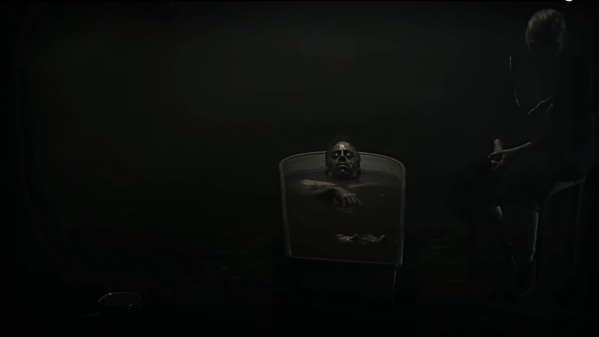
The Horrible/Beautiful Transcendence of CARCINOMA (2014)

What does it mean to have a body, and what does it mean to be mortal?  How do we factor sense pleasures into a bodily experience that is unpredictable, into a body that will eventually wither and that will invariably experience agony? What do we do when we find out that dignity is an illusion that only holds if circumstance and luck hold as well?

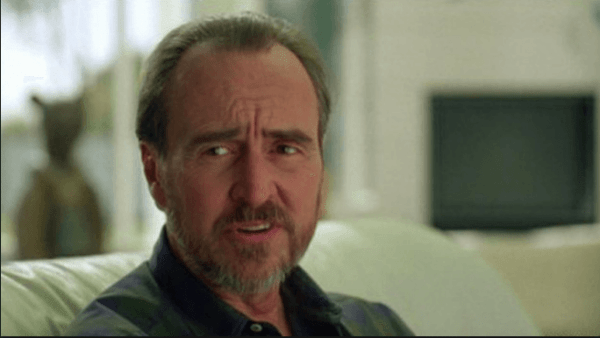
Wes Craven and the Metanarrative Slasher Film

Wes Craven’s films often pay homage to horror. The conventions and themes utilized in a Craven film are playfully aware of the confines of both their genre and the medium of film at large. Looking at three of his most reflective films, this metanarrative commentary can be broken down and understood as both horrifying and creatively boundary breaking. I will examine, in order of release, Wes Craven’s New Nightmare (1994), Scream (1996), and Scream 3 (2000), looking at both the evolution of Craven’s metanarrative commentary and the function it serves in adding to the fright in each film, and how this narrative reflection has affected horror as a whole.

Big Impacts, Small Footprints.

THE HUMAN SUBPLOT IS THE PLOT “Monsters are tragic beings,”  Godzilla co-creator Ishiro Honda was onto something when he observed, “They are born too tall, too strong, too heavy.  They are not evil by choice.  That is their tragedy.” Humanity is at the heart of the best monster stories.   It’s not by accident that... Continue Reading →

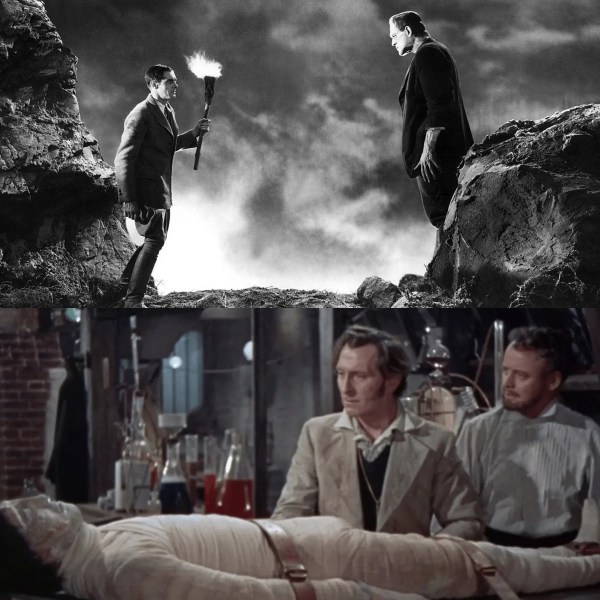
The Reign of Classism: Social Bias in Frankenstein

By Sarah Winkler Classicism is defined as a bias toward, or against persons of given social classes. In the films The Curse of Frankenstein (1957), and Frankenstein (1931), there are underlying, or otherwise distinctly presented elements of classism that surround the characters depicted in each film. These are currents of social bias which become highlighted... Continue Reading →

Website Built with WordPress.com.

Up ↑